
Stormwater ManagementStormwater ManagementStormwater ManagementStormwater Management
  • Home
  • People
    • Founders
    • Team
    • Board
    • Advocates
  • Programs
    • Community Project for New Orleans
    • Global Initiatives
      • Social and Medical
      • Value Change
      • Environmental Sustainability
      • Water for Life
      • Smart Energy
    • EcoParks
      • Our Cities Coalition
    • Coalition for Resource Recovery
    • School Programs
    • Sustainable Neighborhood Solutions
    • Communities – NOLA Climate Action Center
  • Directory
  • EarthX
  • Global Green Radio
  • She Said Yes x GG
  • Resources
    • Journey
    • Consultancy Services
    • Net Zero
    • Library
    • In the News
    • Blogs
    • Reports
    • Financials
  • Take Action
    • Membership
    • Volunteer
    • Signature Bracelet
    • Music for the Planet
    • PUBG MOBILE
    • INDI EV
  • Contact
  • Donate
✕

STORMWATER MANAGEMENT METHODS and Opportunities for Compost Use


By Joseph Lim

STORMWATER MANAGEMENT IS AN ISSUE FACING many communities across the country.
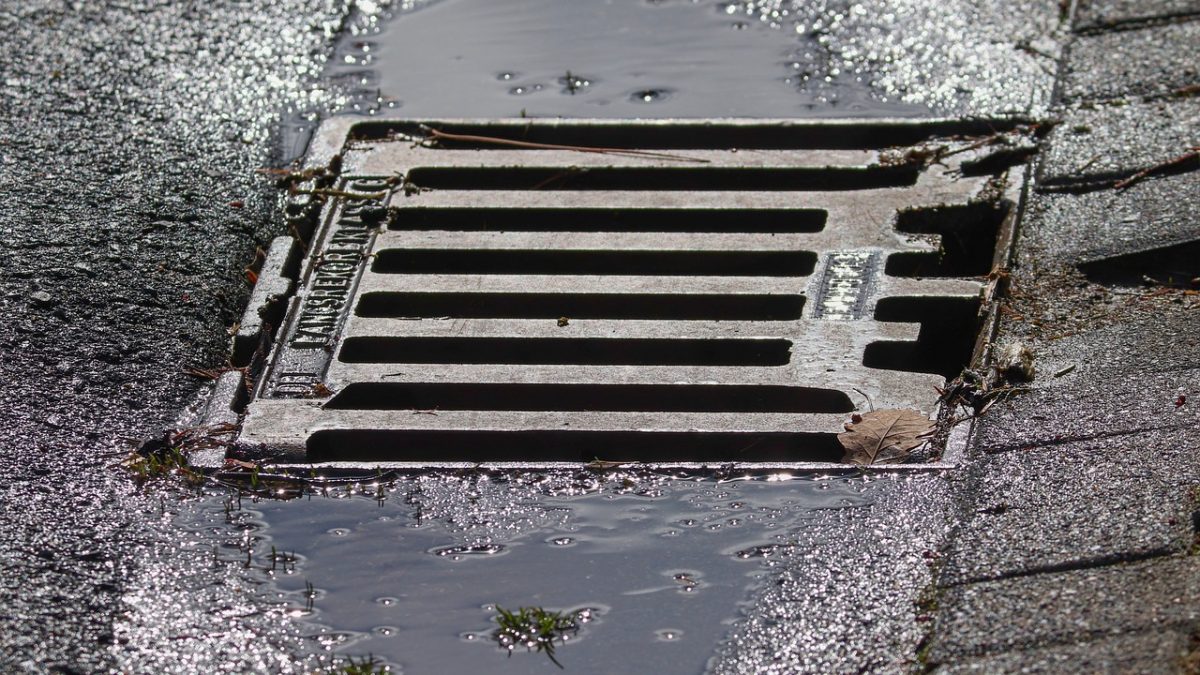
Stormwater runoff causes flooding, pollution of water, contamination of drinking water supplies and a danger to public health. Many cities in the United States have combined sewer systems which are designed to collect stormwater runoff, sewage, and industrial wastewater. Stormwater is then transported to a sewage treatment plant to be treated and discharged to a nearby water body such as rivers or lakes. If due to stormwater, the volume exceeds the plant’s capacity these combined sewer system overflows are discharged directly to the nearby water body without treatment, introducing untreated waste, pollutants, debris and toxic materials to the water.


As development is constructed in major cities, the natural hydrology of an area is negatively affected due to an increase in impervious surface area, thus, decreasing the amount of stormwater that can be naturally infiltrated. Rather than using grey infrastructure (i.e. water treatment plants), green infrastructure is a method to manage stormwater by mimicking the natural environment through strategies such as planting trees, creating rain gardens, etc.


Green Infrastructure strategies often involve soil that can benefit from compost use as compost can significantly reduce the amount of stormwater runoff, as well as absorb and retain pollutants. Compost also helps improve soil structure, sequesters carbon, helps to divert organic materials from landfills, and listed as a best management practice (BMPs) for stormwater management by the EPA.

This document provides examples of different stormwater management methods applied in cities all over the US, as well as different green infrastructure plans cities implemented and emerging opportunities for compost.
Read the full article hereDownload
Share

Related posts

Right to Water and Sanitation


Read more

Water for Peace


Read more

Smart Water for Green Schools


Read more
new orleans clean water

Water Wise NOLA


Read more

Comments are closed.

Global Green Headquarters

520 Broadway #200 Santa Monica, CA 90401

(310) 581-2700

[email protected]

Take Action

Volunteer 
Sustainability Journey
Make a Donation

About Global Green

Celebrity Advocates
Our Founders
Our Team

Programs

Communities
Global Initiatives
School Programs 

Follow Global Green

Disclaimer Privacy Policy

DISCLAIMER: Global Green Directory provides an advertising service and shall not be liable for any damages of any kind resulting from any advertiser's claims or performance. Listing of companies, services, products, or organizations does not in any way imply endorsement by the Global Green Directory. If you prefer to discontinue your online advertisement, please contact us. Opinions expressed in the articles and blogs are those of the authors and do not necessarily represent the viewpoint of the Global Green Directory or its associates. for more information, please read our Privacy Policy

      Global Green makes use of cookies on our website to give you the best experience.
      By clicking “Accept”, you consent to the use of ALL cookies.
      Cookie settingsACCEPT
      Privacy & Cookies Policy

      Privacy Overview

      This website uses cookies to improve your experience while you navigate through the website. Out of these cookies, the cookies that are categorized as necessary are stored on your browser as they are essential for the working of basic functionalities of the website. We also use third-party cookies that help us analyze and understand how you use this website. These cookies will be stored in your browser only with your consent. You also have the option to opt-out of these cookies. But opting out of some of these cookies may have an effect on your browsing experience.
      Necessary
      Always Enabled
      Necessary cookies are absolutely essential for the website to function properly. This category only includes cookies that ensures basic functionalities and security features of the website. These cookies do not store any personal information.
      Non-necessary
      Any cookies that may not be particularly necessary for the website to function and is used specifically to collect user personal data via analytics, ads, other embedded contents are termed as non-necessary cookies. It is mandatory to procure user consent prior to running these cookies on your website.
      SAVE & ACCEPT